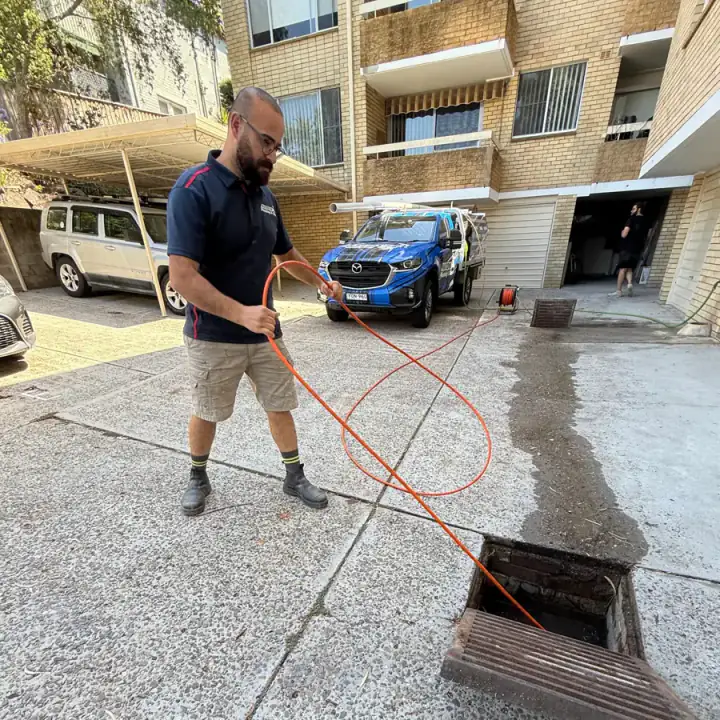
We have dealt with blocked drains caused by baby wipes, drains affected by roots, and a drain that was not connected to the septic tank. We fixed that disconnected drain. Those are three different problems, even though a customer might describe each one as “the drain is blocked”.
That distinction matters when you book our Hills District blocked drain service. Clearing an obstruction and correcting a connection problem are not the same job. Here is how we think about the difference, and what information helps us assess your drain.
Baby Wipes, Roots and a Connection Problem
In the wipe-related work, baby wipes were the cause of the blockage. In other drain work, roots were involved. The septic job was different again: the drain was not connected to the tank. These examples are a reason to investigate, not a diagnosis of your property from a phone call.
Tell us what you have noticed:
- Which sinks, showers, toilets or outside drains are affected?
- Does using one fixture cause another to gurgle or overflow?
- Has the drain been cleared before, and how recently?
- Is there wastewater outside, or water approaching living areas?
- Can the plumber reach the relevant inspection points?
If wastewater is overflowing, avoid contact and keep children and pets away. Stop using affected fixtures and explain the situation when requesting urgent plumbing assistance. An urgent call does not establish a guaranteed arrival time.
We Need the Drain’s History, Not Just Today’s Symptoms
We start with the affected fixtures, accessible drainage and previous repairs. Has someone cleared it before? Did it work normally afterwards? A single slow basin gives us a different starting point from several fixtures backing up together.
Ask what the initial assessment includes. It should clarify the available access, likely next step and any limits to the proposed work. If the inspection points are concealed beneath landscaping or stored belongings, mention that beforehand. Do not remove covers or disturb plumbing just to prepare for the visit.
For customers in Castle Hill, parking, side access and strata arrangements can affect equipment access. The same information is useful for houses, townhouses and commercial premises elsewhere in the district.
Clearing the Drain Is Not Always the Whole Repair
Our septic example explains why we distinguish clearing from repair. There was a connection problem to fix, not simply an obstruction to remove. Jetting or camera inspection may suit other jobs; the choice depends on the accessible pipe and what the assessment establishes.
Discuss these questions before agreeing to work:
- What clearing method is proposed, and why?
- Would a camera inspection help explain recurring symptoms?
- Is inspection included or a separately discussed step?
- What happens if clearing reveals damaged pipework?
- How will the findings and further options be explained?
Clearing a restriction and repairing a defective pipe are different tasks. Ask the plumber to distinguish immediate drainage restoration from any recommended follow-up repair. This makes the proposed scope easier to compare between providers.
Understand Responsibility Before Approving Repairs
An overflow does not automatically identify which organisation should repair the affected section. Private plumbing and the public wastewater network have different responsibilities. Sydney Water provides general plumbing and wastewater guidance to help property owners understand the distinction.
For a rental or strata property, tell the managing agent or strata representative about the problem and check the approval arrangements. Share any existing reports with the plumber so investigations do not unnecessarily repeat information already available.
You can also use the Service NSW tradesperson licence check when selecting a contractor. A government information link supports your research; it does not imply government endorsement of a business.
What Are We Actually Quoting to Fix?
The work required can depend on access, the location of the restriction, equipment needs and whether further inspection is necessary. Ask for the proposed scope and applicable charges before work begins, including what would require additional approval.
We want you to understand whether the proposed work is investigation, clearing or a separate repair. The wipe, root and septic examples should not be bundled into one assumed solution. Ask us to explain what is established and what still needs checking.
Book Local Help for Your Blocked Drain
We take enquiries from Baulkham Hills and other Hills District suburbs. Have your address, affected fixtures and any previous inspection information ready.
Contact our plumbing team or call 0493 824 176 to discuss the blockage and current availability. If unexplained dampness is also present, our guide to booking leak detection explains what separate observations may help.
Questions to settle before approving the work
Explain whether the toilet rises only during pump-out, whether other fixtures gurgle and how long recovery takes. A brief return to normal does not prove the line is clear. Stop appliance use that causes backup and ask for the connected drainage to be assessed before replacing a hose or assuming the washing machine itself is faulty.
Frequently asked questions
Does one slow fixture mean the main drain is blocked?
Not necessarily. A local trap or branch may be affected. Tell the plumber which other fixtures still work normally.
What does gurgling in another fixture tell you?
It suggests connected drainage behaviour worth investigating. Sound alone cannot identify roots, a collapse or the exact restriction.
Should I use chemical cleaner before the visit?
Avoid adding chemicals to an overflowing or repeatedly blocked drain. Tell the plumber which products have already been used.
Can I keep using appliances on the affected drain?
Stop use that causes rising water or overflow. Ask what can remain in service once the connected drainage has been assessed.
Does restored flow mean the underlying fault is fixed?
No. Clearing removes an obstruction; a damaged joint, entry point or other defect may remain and need a separate decision.
When can a camera inspection help?
It can show accessible internal pipe condition once visibility allows. Standing water, debris and bends can limit what is seen.
What should a blocked-drain quote explain?
Ask about attendance, clearing method, access, inspection, reporting and what would require further approval. Repairs should have a defined scope.
Should I provide records of earlier drain clearing?
Yes. Dates, symptoms, footage and repair reports help compare recurrence with the earlier findings.
Can every drain be water-jetted?
No. Pipe size, material, condition and access affect equipment choice. The method should suit the assessed installation.
How can I reduce avoidable kitchen blockages?
Keep fats, food scraps and unsuitable waste out of the sink. Prevention helps with build-up but cannot repair a structural defect.