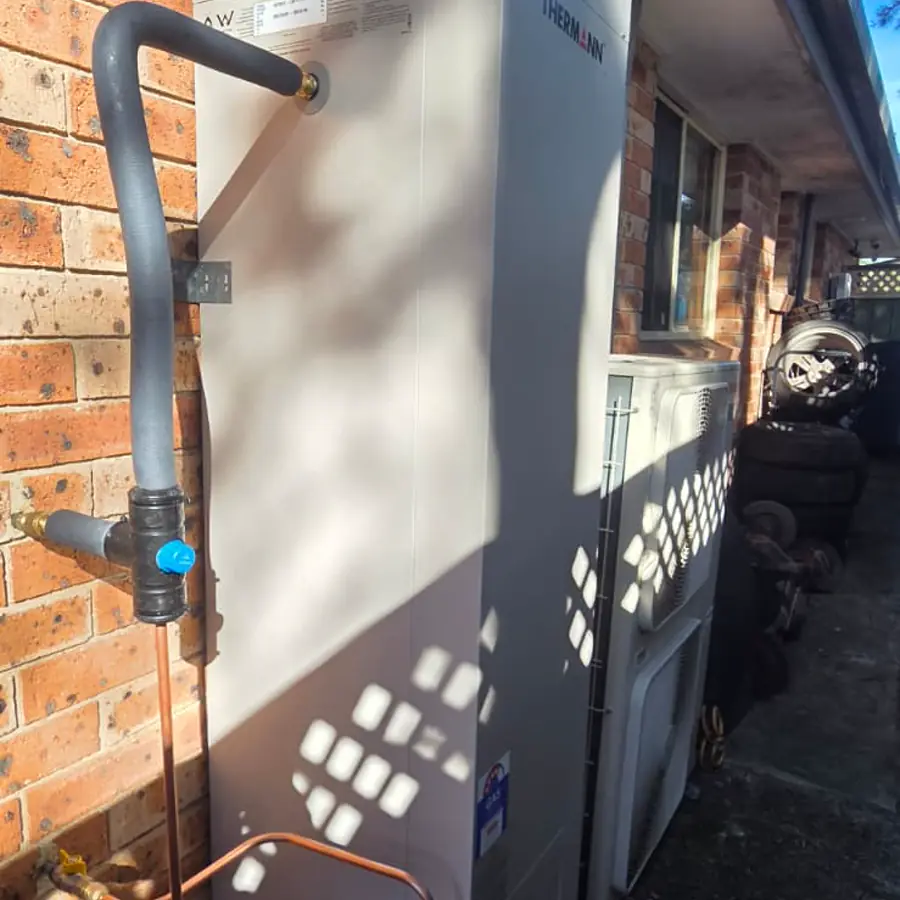
“Do I need a new hot-water system?” is a reasonable question when the shower turns cold. Our starting point is a different question: what has actually failed? We do not want you choosing a replacement from a symptom alone, or approving another repair without understanding the condition of the existing installation.
With our Hills District hot water service, the aim is to explain that decision in terms of your system and household. Here is the information we need and the distinction we want you to understand before approving work.
One Cold Shower or No Hot Water Anywhere?
Tell us whether every outlet is affected or just one shower or tap. We also need to know about inconsistent temperature, reduced flow, visible leaking or unusual noise. Those details help us frame the investigation; they are not enough on their own to condemn the heater.
Useful information includes:
- The system brand and model, if visible without opening covers.
- Whether it uses electricity, gas or a heat pump.
- Its approximate age and any recent servicing.
- Where water is appearing around the unit.
- Whether household hot-water demand has recently changed.
- Access to the unit and any shared building arrangements.
Take photos only from a safe, accessible position. Do not remove electrical covers, adjust gas components or interfere with safety valves. Mention active leaking or other immediate concerns when calling so the next step can be discussed.
What Would Make Us Consider a Repair?
A repair may be appropriate when the fault can be identified, suitable parts are available and the rest of the installation remains serviceable. The decision should consider the system’s condition, previous problems and the scope of the proposed repair.
We want to separate the symptom from the finding. Fluctuating temperature is not, by itself, proof that the entire heater needs replacing. If only one outlet is affected, we may also need to assess that fixture or its connected plumbing before discussing the heater itself.
For isolated fixture problems, our plumbing repairs service explains the broader assessment approach. Keep an open mind until the accessible system has been inspected.
When the Conversation Moves to Replacement
Replacement deserves consideration when inspection identifies a substantial system problem, repeated failures or an installation that no longer meets household needs. The right choice is specific to the property, rather than a universal recommendation for one technology.
The Australian Government’s hot water systems guide explains storage, continuous-flow, solar, gas and heat-pump options. It is useful background when comparing purchase, installation and operating considerations.
Before selecting a replacement, discuss:
- Available installation space and access for removal.
- Household demand and how hot water is used.
- Existing energy connections and any required alterations.
- Location considerations for the proposed equipment.
- What removal, installation and commissioning include.
- Which other trades may need to be involved.
Do not assume a replacement unit can simply occupy the old position without checking the installation requirements.
A New Unit’s Price Is Not the Whole Job
A unit price alone does not describe the complete replacement scope. Pipework, valves, access, removal and changes to connections may affect what needs to be done. Ask for an explanation of included work and any items requiring separate assessment.
For a repair, ask which fault the work addresses and what remains uncertain. For replacement, ask why the proposed capacity and system type suit your household. Product warranty terms should be checked for the specific model rather than assumed from a general advertisement.
These questions help you compare like-for-like proposals. They also give the plumber an opportunity to explain whether further investigation is needed before a final scope can be offered.
Tell Us How We Can Reach the Unit
Customers in Kellyville should mention side access, gates and outdoor obstructions. For apartments or shared properties in Rouse Hill, confirm how the plumber can reach the system and whether building management approval is required.
If gas connections form part of the job, review our licensed gas fitting service. Our gas appliance booking guide also explains why appliance details and installation planning matter.
Arrange access without dismantling equipment or attempting to move a connected unit yourself.
Let’s Establish the Fault Before You Choose
When you call, explain the symptoms, system details and whether the household currently has usable hot water. We will discuss the address, access and current availability before arranging the next practical step.
Contact The Hills District Plumber or call 0493 824 176 to request an assessment. The aim is a clearly explained repair or replacement decision based on your installation, rather than a choice made from symptoms alone.
Questions to settle before approving the work
Request a written explanation of eligibility, the specific product, your contribution and excluded work before accepting an offer. A postcode result alone is not a complete eligibility assessment. Compare the proposed system with household demand and installation constraints, and confirm current official scheme conditions with the participating provider before committing.
Frequently asked questions
How do I compare a repair with replacement?
Compare the diagnosed fault, parts availability, overall condition and complete installed cost. Age alone does not establish which option is better.
What details should I send before a hot-water visit?
Send the safely accessible model label, system type, location and symptoms. Explain whether every outlet is affected and when the problem occurs.
Can I change the thermostat myself?
Leave covers, electrical components and temperature controls alone. Stored-water heating and safe outlet temperatures have different functions.
Does a replacement need the same capacity?
Not necessarily. Occupants, simultaneous use and recovery rate should inform sizing, alongside the available installation space.
What can change the installation price?
Access, connection alterations, required controls, disposal and the chosen system can change the scope. Ask for inclusions and exclusions in writing.
Should the quote include removal of the old heater?
Ask explicitly. Removal, disposal and any difficult lifting or access should be identified before work is approved.
Can the old connections always be reused?
No. Their condition, compatibility and the requirements for the proposed work need checking before reuse is confirmed.
What checks matter after the work?
Ask the installer to explain the completed work, operating controls, leak checks and any relevant maintenance or warranty instructions.
What if only one shower has a temperature problem?
A local mixer or outlet control may be involved. Report what happens at other outlets before assuming the heater needs replacing.
Can photos replace an onsite assessment?
Photos help with preparation, but concealed connections, access limits and testing may require a visit before the scope is firm.