Leak detection
A Wet Patch in the Lawn: Leaking Water Pipe or Poor Drainage?
A wet patch in the lawn can come from a leaking water pipe, irrigation or water that cannot drain away. A patch that stays wet through dry weather deserves investigation, especially if your meter shows unexplained use. Start by noting the timing and water use before anyone digs up the garden.
Key takeaways
- Dry-weather wetness is a useful clue, not proof of a pipe leak.
- Check irrigation schedules and recent rain before booking.
- A moving meter shows water use, not the precise leak location.
- Locate underground services before excavation.
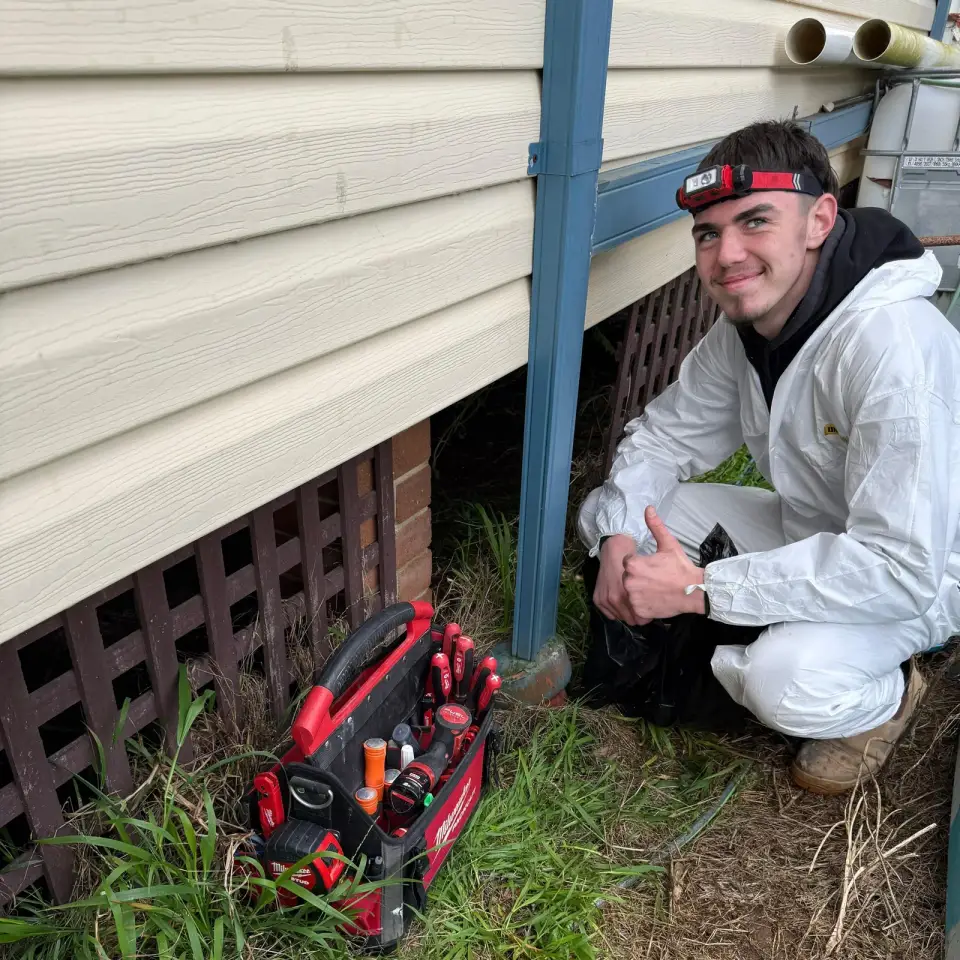
Does the patch follow rain or watering?
Think back to when you first noticed the soft ground. If it appears after rain and gradually dries, surface drainage or runoff may be involved. If it remains wet without rain, a supply leak or irrigation fault becomes a stronger possibility. Neither pattern identifies a particular pipe on its own.
Check the irrigation controller’s normal schedule and whether a garden tap has been left running. Do not assume a wet patch beside a sprinkler is harmless: a connection may be leaking beneath it. Tell us whether watering was recently installed, repaired or switched back on after a break.
What a meter comparison can tell you
Sydney Water’s leak-detection advice identifies unusual green lawn patches as a possible sign of an underground leak. A meter comparison can add useful evidence where the property has an accessible individual meter.
Choose a period when nobody needs water. Account for toilets refilling, appliances and automatic irrigation, then record the meter reading and time. Compare it after a period with no expected use. Unexplained movement warrants investigation, but it does not prove the lawn patch and water loss have the same cause.
In strata or a property with shared supplies, explain the arrangement before interpreting readings. Rainwater tanks and separate irrigation feeds can also complicate the picture. Our guide to water leak detection in the Hills District explains the service to book when the source is uncertain.
Useful details to collect safely
- When the wet area first appeared and whether it is expanding.
- Recent rain, irrigation times and any visible nearby runoff.
- Changes in your water bill or normal tap performance.
- Recent landscaping, fence work or digging near the patch.
A wide photograph with a fixed reference, such as a path or fence, helps explain the location. Keep children, pets and vehicles off soft or unstable ground. If the water smells like sewage or comes with drain backup, say so when calling and avoid contact rather than treating it as clean water.
Why we establish the source before digging
Digging at the wettest point can miss a fault because water travels through soil. Testing should help narrow the likely source and distinguish supply plumbing from drainage. Access, pipe material and the location of existing fittings influence which investigation is practical.
If excavation is needed, the plan must account for buried services. SafeWork NSW’s excavation guidance requires underground service information to be obtained before excavation work. A garden spade is not a substitute for checking what lies below.
Ask the quote to separate investigation, repair and reinstatement of lawn or paving. That makes it easier to understand what is confirmed, what remains uncertain and what happens if the pipe follows a different route from the available plans.
Use the weather pattern to direct the booking
Record whether the patch dries between rain events, whether irrigation operates nearby and whether metered use continues when expected uses are off. These clues can distinguish the starting point for a supply investigation from a drainage assessment. Neither lush grass nor a puddle alone identifies a broken pipe, so keep excavation decisions until the route and source are better established.
Quick check
The meter is still: can I rule out a leak?
No. Intermittent leaks, irrigation timing and separate supplies can affect a single observation. Tell the plumber when you checked, what was off and whether the patch changes through the day.
Frequently asked questions
Should I book drainage work or leak detection?
Describe the timing first. Persistent wetness with unexplained metered use points towards a supply investigation; rain-related pooling may need a drainage assessment. The booking can be directed accordingly.
Will the whole lawn need digging up?
That cannot be decided from a wet patch alone. Ask how the source will be narrowed down and what access is required before approving excavation.
Can leak detection guarantee no digging or opening?
No. Testing may narrow the search, but pipe access and confirmation can still require targeted opening. Ask what each test can establish.
What if the leak is close to electrical equipment?
Keep people clear and seek urgent help. Do not touch wet switches, appliances or electrical components to investigate the plumbing.
Will fixing the pipe also repair the damaged finishes?
Usually these are separate scopes. Clarify who handles drying, cabinetry, flooring or wall repairs after the source is addressed.
Can an intermittent leak be missed during a visit?
It can be harder to reproduce. Explain the usual timing and conditions; do not deliberately cause more damage to demonstrate it.
Does a higher bill prove a pipe has burst?
No. Changes in consumption and billing can also affect cost. Compare actual usage and observations before deciding what to test.
Will insurance pay for the investigation?
Cover depends on the policy and circumstances. Contact the insurer and keep records; a plumbing diagnosis is not a coverage decision.
Should I isolate the water while waiting?
If water is escaping, use a familiar, safely accessible isolation point when appropriate. Do not force a seized valve or approach an electrical hazard.
Can a leak be repaired without replacing the whole pipe run?
Sometimes a targeted repair is suitable. The location, material and surrounding condition determine whether a wider section needs attention.
Conclusion
The useful first step is to connect the lawn’s wetness with weather, irrigation and water-use evidence. Establish the source before paying for a repair that may address the wrong system.
We’re The Hills District Plumber, operated by Antons Plumbing & Gas. Our water leak detection in the Hills District can help you plan the next step. Give us a call with the patch location and your observations so we can discuss a suitable assessment.