Gas fitting
Adding Another Gas Appliance: Can the Existing Supply Handle It?
An existing gas connection does not prove there is enough capacity for another appliance. Before buying or installing one, have a licensed gasfitter assess the proposed appliance, the existing appliances and the supply arrangement. A larger meter alone may not resolve limitations elsewhere in the installation.
Key takeaways
- Provide the exact appliance model and its gas type before buying.
- Include every existing gas appliance in the assessment.
- Meter capacity and the property’s pipework are separate questions.
- Agree who arranges any supplier work and what installation testing is included.
Start with the appliance specification
A request to add a heater or cooktop needs more detail than the number of burners or the size of the room. Send the full model number, manufacturer’s installation instructions and the gas type shown on its specification. If you are comparing models, tell the gasfitter before committing to the purchase.
Two appliances that look similar can have different installation requirements. The NSW Government’s gasfitter guidance advises checking your home’s gas supply before buying an appliance and using a licensed gasfitter for gas work. Certification and the correct appliance configuration matter as well as the connection itself.
Count the existing demand properly
List the appliances already connected: hot water, cooking, indoor heating and any outdoor connection. Mention appliances that are used seasonally or rarely. An unused outlet should still be identified so the gasfitter understands what the installation serves and what may be connected later.
Explain how the new appliance is likely to be used. For example, a family may use cooking and hot water during the same evening period. The gasfitter needs the appliance information and installation details to assess demand; a homeowner should not estimate spare capacity from how well one appliance appears to run on its own.
Tell us about changes already made
Previous extensions, kitchen moves and replacement hot water units can be useful context. Provide plans or previous installation paperwork if available, without assuming they show every later alteration. Let the gasfitter establish which information can be confirmed at the property.
Why a meter upgrade is not the whole answer
The supply at the meter and the pipes carrying gas to each appliance need consideration together. Pipe routes, lengths and the proposed connection point can affect the work required. A recommendation about the meter should not be mistaken for confirmation that all downstream pipework is suitable.
Ask which part of the work belongs to the gasfitter and whether the gas supplier or network needs to be involved. Do not assume those arrangements are included in an appliance retailer’s delivery service. Have any dependencies confirmed before setting a final installation date or removing the appliance you currently rely on.
Include the location in the assessment
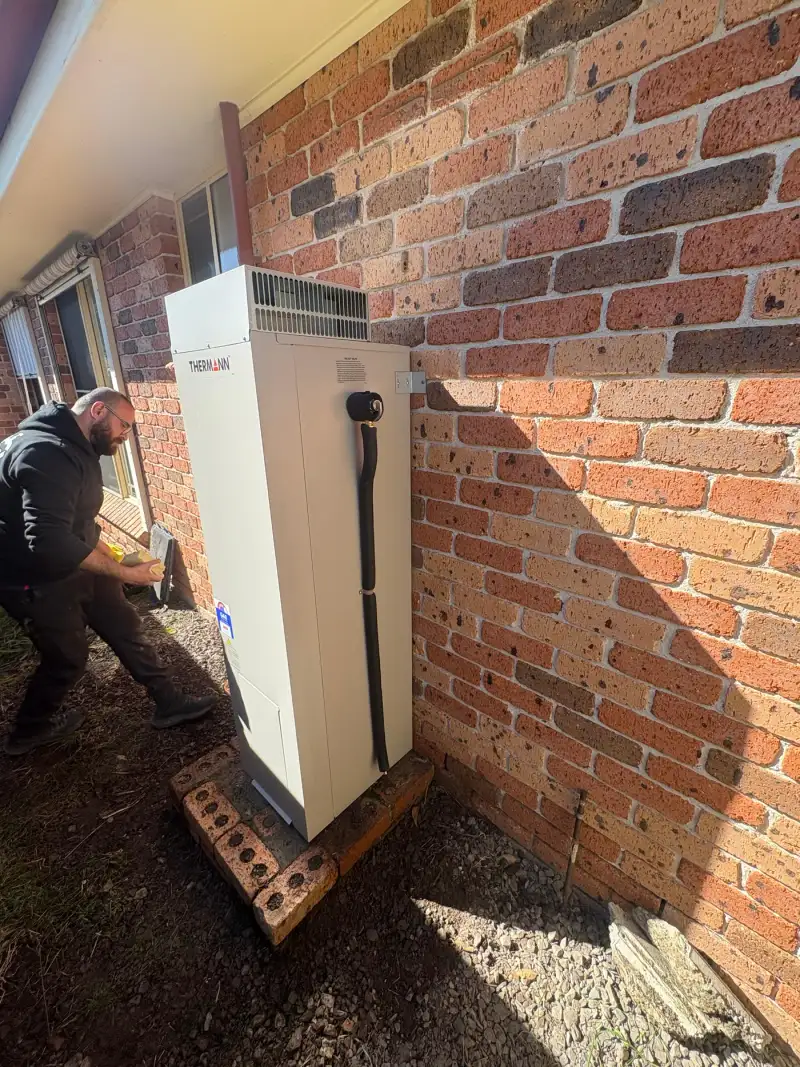
For gas appliance installation in the Hills District, supply capacity is only one part of the job. The proposed position also needs assessment against the appliance’s installation requirements, including the surrounding space and any relevant ventilation or exhaust arrangements. An available pipe nearby does not make every position suitable.
Send wide photos of the proposed location and explain planned cabinetry, outdoor enclosure or building work. Keep joinery decisions flexible until the appliance and installation details have been checked. It is easier to resolve an unsuitable position on a plan than after the cupboards are fitted.
Ask for a complete installation scope
A useful quote separates the assessment, new connection, any pipe alterations, appliance installation and completion checks. Ask whether removal of the old unit, disposal and making good surfaces are included. Clarify who supplies the appliance and any model-specific parts.
- Which existing appliances and supply details were assessed?
- Are pipe changes or supplier arrangements required?
- What access or interruption will occupants need to allow?
- What testing and completion documentation will be provided?
If a hidden condition changes the scope, agree how the extra work will be explained and authorised. Do not treat a rough phone estimate as confirmation that concealed pipework has already been assessed.
Keep poor performance separate from capacity assumptions
If an existing appliance performs poorly, report that as a fault rather than assuming the new installation will fix it. Never adjust regulators, alter fittings or test for leaks with a flame. If you smell gas, stop using the area and seek urgent assistance from a safe location; do not wait for the planned installation appointment.
Quick check
What should I send before ordering the appliance?
Send the model specification, gas type, existing appliance list and photos of the proposed location. Ask whether the supply and installation can be assessed before you commit.
Frequently asked questions
Does an existing outlet mean there is spare gas capacity?
No. The outlet only shows a connection exists. The gasfitter needs to assess the supply and connected appliances together.
Can the gasfitter assess capacity from a photo alone?
Photos help with planning, but they may not show concealed pipe routes or verified supply details. A site assessment may be needed.
Should I include a heater I only use in winter?
Yes. Include seasonal appliances so the assessment reflects the installation rather than only today’s usage.
Is natural gas interchangeable with LPG?
No. The appliance must suit the fuel and approved configuration. Have that confirmed for the exact model before purchase.
Will upgrading the meter fix undersized pipework?
Not necessarily. The meter and downstream pipes are separate parts of the supply arrangement and need assessment together.
Who organises work involving the gas supplier?
Confirm this in the quote. Do not assume the retailer, gasfitter and supplier have already coordinated it.
Can I connect the appliance while waiting for an assessment?
Do not put an unassessed installation into service. Arrange the licensed installation and required checks first.
Does appliance delivery include installation?
Only if your agreement says so. Delivery, licensed gas work and removal of an old appliance may be separate services.
What if my existing heater already performs poorly?
Report the fault separately. Do not assume adding capacity or installing another appliance will resolve an existing appliance problem.
What records should I keep?
Keep the approved appliance information, agreed scope, invoice and applicable completion documentation supplied by the gasfitter.
Conclusion
An additional gas appliance needs a whole-installation assessment before connection. Confirm the model, supply, pipework and location together, then agree who will handle each part of the job.
We’re The Hills District Plumber, operated by Antons Plumbing & Gas. Our licensed gas fitting service in the Hills District can help you plan the next step. Give us a call with your appliance model and existing setup so we can discuss an assessment before installation.