Gas fitting
Gas Heater Keeps Shutting Down in Castle Hill: What to Note Before a Service Call
If a Castle Hill gas heater repeatedly shuts down, stop using it and arrange a licensed gasfitter to check it. Note whether it switches off at start-up or after running, whether an error appears and whether anyone notices a gas smell. Do not bypass a safety switch or keep restarting a heater that will not stay on.
Key takeaways
- Stop using a heater that repeatedly cuts out.
- Record the model, error code and timing.
- Keep vents and the appliance area unobstructed.
- Use a licensed gasfitter for gas work.
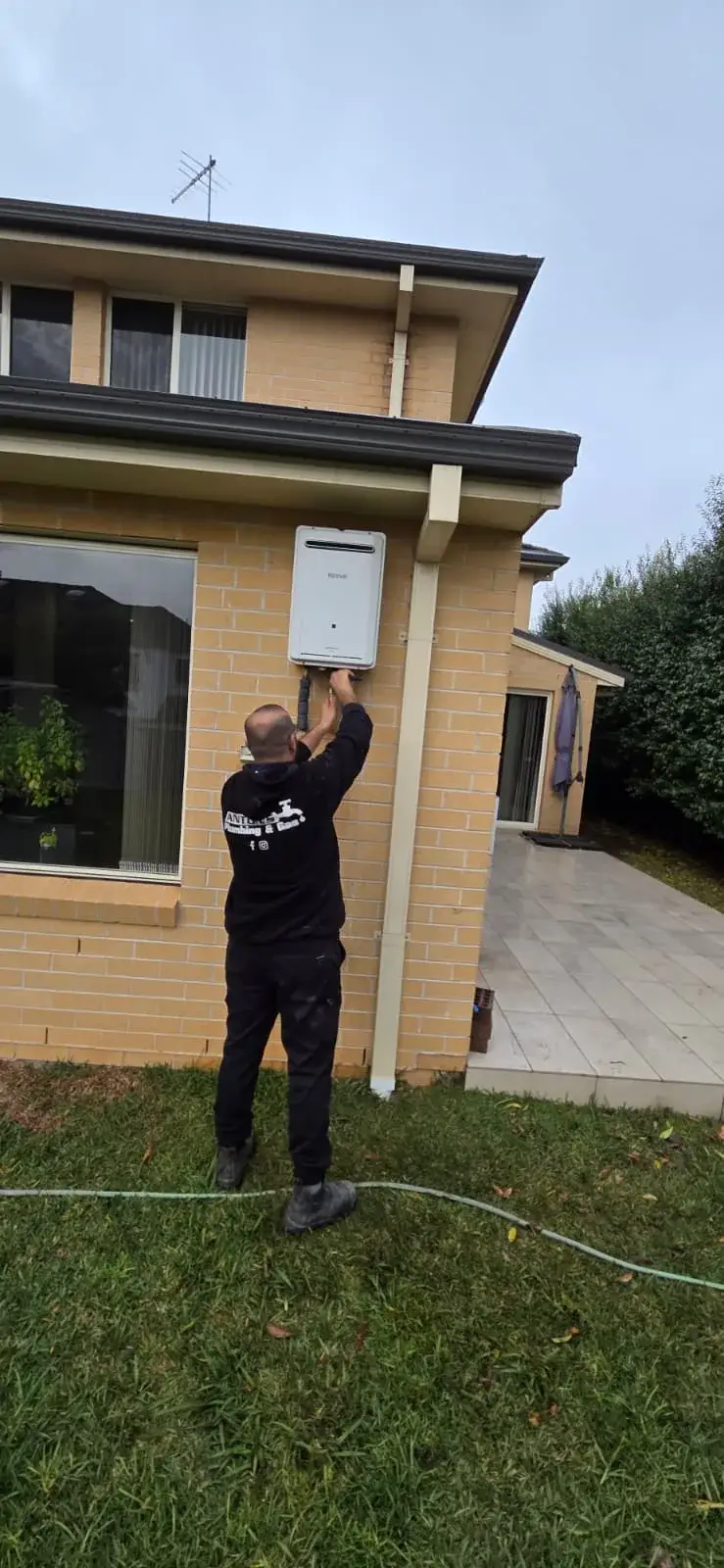
Make the area safe first
Turn the appliance off using its normal control and keep the surrounding area clear. If you smell gas, move away, avoid electrical switches and contact your gas emergency service from a safe place. Do not test a suspected leak with a flame or attempt to tighten gas fittings. A heater that restarts briefly may still have an unresolved fault, so repeated resets are a poor substitute for inspection.
Record what actually happens
Write down the make and model, any displayed code, and whether shutdown happens on ignition, after a few minutes or only on colder nights. Check whether other gas appliances appear affected without operating anything unsafe. A photo of the appliance label and its position can help the gasfitter bring the right information. Avoid declaring a thermostat or burner fault on the basis of one symptom.
Consider ventilation and appliance type
A heater needs the ventilation and flue arrangement intended for its design. NSW Health notes that some unflued gas heaters have safety systems that turn them off when fresh air is insufficient. Do not block vents to make a room warmer. Tell the gasfitter whether the heater is flued, portable or built in, and mention any recent room changes.
Leave the gas work to a qualified person
NSW requires the appropriate licence or certificate for gasfitting work. The NSW gasfitter guidance covers work on installations and flues. Ask the attending gasfitter what parts of the appliance and supply were tested, what fault was found and whether it is safe to use. A service note should distinguish a confirmed finding from a possibility.
Compare repair with replacement
If a fault is found, ask what part is involved, whether the appliance can be repaired safely, and what the likely lifespan or support issues are. A quotation for replacement should describe the proposed heater and any installation or flue work, rather than give only a product price. Do not assume every shutdown means the entire heater has failed; the decision depends on inspection and available parts.
Keep the findings with the property records
Save the service report, model details and any compliance paperwork provided for completed gas work. Tell tenants or other occupants when the heater may be used again and any operating advice the gasfitter gives. If the same symptom returns, the prior report lets the next technician see what was tested and what changed. That is more useful than a vague note saying the heater stopped again.
Prepare for the service visit
Give the gasfitter clear access to the heater and its normal controls, but leave covers, flues and gas fittings alone. If the appliance is in a room used by children or tenants, tell everyone it is out of service until it has been checked. Save any manual you have and note whether the heater was recently moved, serviced or used after a long break. Ask the gasfitter to explain the finding in ordinary language, including what was tested and whether the appliance may be used. If a part must be ordered, confirm what to do in the meantime instead of assuming a temporary restart is safe.
Quick check
Before booking
Stop using the heater, note the model and error, and describe exactly when it cuts out.
Frequently asked questions
Can I keep restarting the heater?
Avoid repeated restarts; arrange a service assessment.
What if I smell gas?
Leave the area, avoid switches and follow the gas emergency advice for your supplier.
Could a blocked vent matter?
Ventilation and flue arrangements need checking by a qualified person.
Should I remove the cover?
No. Do not open a gas appliance.
Is an error code useful?
Yes. Photograph or write it down for the gasfitter.
Does shutdown mean the heater must be replaced?
No. Assessment should establish the fault and safe options.
Can an unflued heater shut off automatically?
Some have safety systems that shut them down when fresh air is insufficient.
Who may repair gas connections in NSW?
A person with the appropriate gasfitting licence or certificate.
Should the flue be checked?
Ask the gasfitter to inspect it where the appliance has one.
What should I provide when booking?
Model, symptoms, error code, location and whether the gas supply serves other appliances.
Conclusion
A heater that shuts down is giving you a reason to pause and have it checked, not a reason to defeat its controls. A licensed assessment can identify the fault and the safe repair or replacement path.
We’re The Hills District Plumber, operated by Antons Plumbing & Gas. Our Castle Hill gas fitting service can help you plan the next step. Call Hills District Plumber with the heater model and shutdown pattern for service advice.