Plumbing repairs
A Castle Hill Laundry Tap Hammers When It Shuts: What Should Be Checked?
A bang when a Castle Hill laundry tap shuts is usually a pressure surge in the pipework, but a loose pipe or a washing-machine valve can make it louder. Note whether the sound follows the tap, the machine or several outlets. Do not start by installing a random arrester: a plumber should check pressure, pipe support and the actual valve that triggers the noise.
Key takeaways
- Record which outlet closes just before the bang.
- Compare a hand-operated tap with the washing machine cycle.
- Visible pipe movement or leaks need a plumber’s assessment.
- Pressure and pipe support matter as much as the noise itself.
Listen for the trigger, not just the location
A knock may be heard near the laundry even when a different valve caused it. Close the laundry tap gently, then note whether the sound changes when the washing machine fills and stops. Try another tap if it is safe to do so. Record whether the bang happens once, rattles for several seconds, or only occurs at a particular machine setting. A short phone recording and a clear sequence help a plumber reproduce the problem without guessing behind the wall.
Understand what the pipe is doing
Moving water has momentum. When a valve shuts quickly, pressure can rise briefly and the pipe may move or transmit a knock through a bracket or wall. The sound does not by itself prove a burst pipe is about to happen. It does justify a check when new, getting stronger or paired with leaks. A loose clip can amplify a modest pressure change; a secure pipe can still experience a surge if pressure or valve action is the main issue.
Check what is visible without dismantling
Look at accessible hoses and pipe runs while someone operates the tap or machine. Do not touch moving parts or remove covers. Note any hose that jumps, a pipe that taps against a cabinet, or moisture at a fitting. Check whether the washing-machine taps are fully open and whether a recent appliance change coincided with the noise. Avoid trying to hold a pipe still by hand while the machine runs; a secure fitting and proper support are part of the repair decision.
Ask for pressure and valve checks
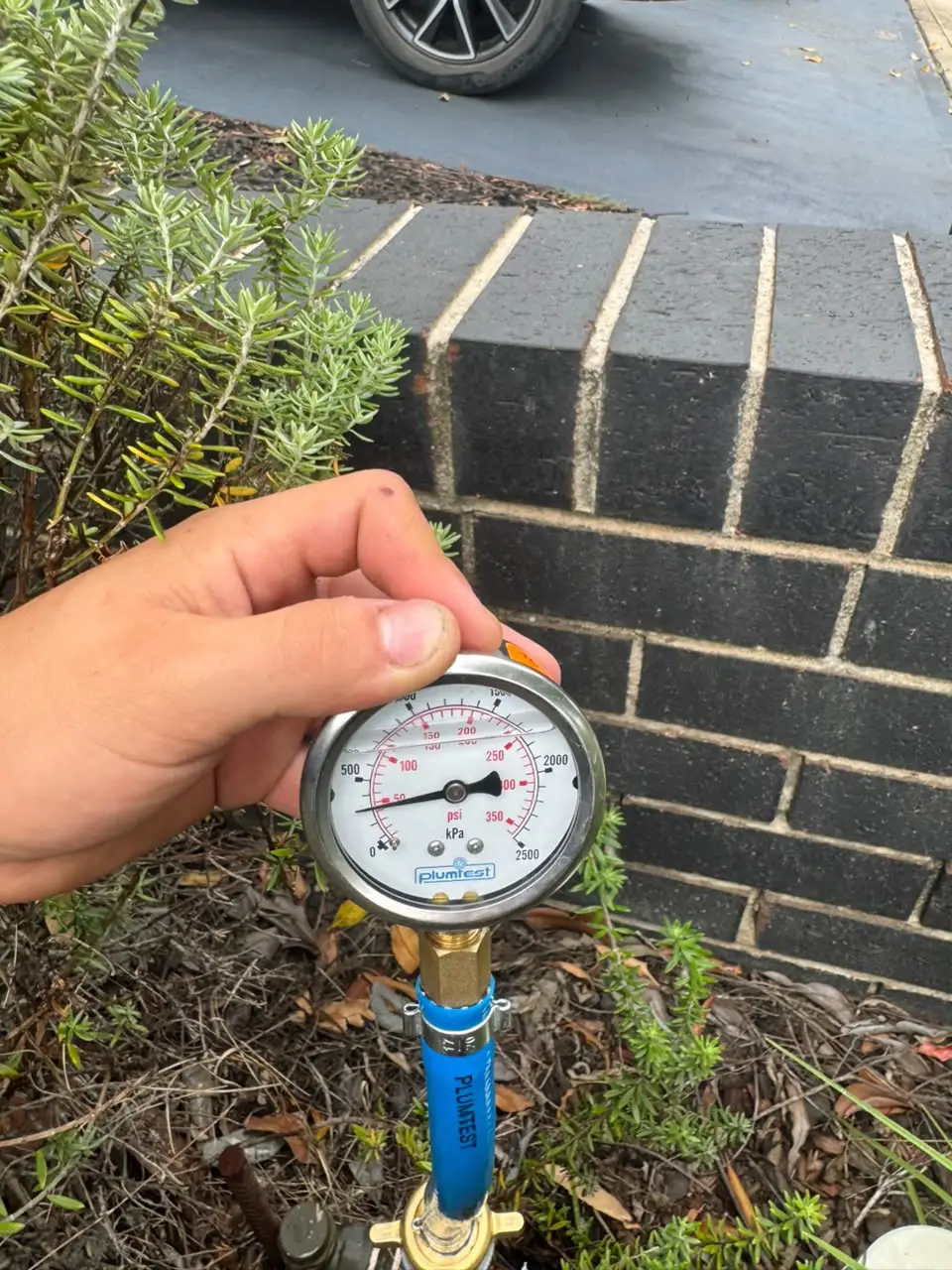
A plumber can measure the incoming pressure and assess whether it is appropriate for the installation. They can inspect the laundry tap, machine connections and accessible supports, then decide whether a pressure-control device, repaired valve, better pipe restraint or correctly located arrester makes sense. One product is not a cure for every knock. NSW requires appropriate authorisation for plumbing work; have a qualified person change fixed pipework or fittings.
Separate a noisy pipe from a leak
Check nearby cupboards and skirting for moisture after the bang. If water is escaping, isolate the relevant supply if safe and report a leak rather than booking only a noise inspection. A damp wall may have a different source, so do not open it based solely on sound. A plumber should explain what was tested and whether the noise can be reproduced after the repair. That makes it easier to judge whether the first cause was actually fixed.
Make the repair scope clear
Tell the plumber which appliance or tap triggers the noise, when it started and whether the home has had recent plumbing or appliance work. Ask whether the visit includes pressure testing, checking accessible pipe restraint and testing the machine cycle afterwards. If a concealed pipe seems loose, discuss access and making good before opening a wall. A measured diagnosis keeps a small laundry complaint from turning into an unnecessary whole-house job.
Quick check
What sets it off?
Tap only, washing machine only, or several outlets? This simple comparison is the best starting note for a service call.
Frequently asked questions
Is every plumbing knock water hammer?
No. Loose pipes and other movement can sound similar.
Why does the washing machine make a louder bang?
Its inlet valve can shut quickly and create a sharper pressure change.
Can high pressure contribute?
Yes. A plumber can measure pressure and assess the supply arrangement.
Should I fit an arrester myself?
First identify the cause and the correct location for any device.
Can the noise damage a pipe?
Repeated surges may strain weak joints, so inspect if the sound is new or severe.
Does a dripping tap cause hammer?
The drip is a separate symptom, though the valve condition still matters.
What if the sound comes from a wall?
Note the location and whether any wall or floor shows movement or moisture.
Can a flexible hose stop it?
Not reliably; it may hide rather than solve the cause.
What information helps the plumber?
Send a short recording and identify the exact tap or machine cycle.
Should I stop using the machine?
If a joint leaks or the pipe moves violently, stop and arrange a check.
Conclusion
A laundry bang is a clue about the closing valve, pressure and pipe support. Find the trigger first, then have the system tested before choosing a repair.
We’re The Hills District Plumber, operated by Antons Plumbing & Gas. Our Castle Hill plumbing repairs can help you plan the next step. Call Hills District Plumber with a short recording and the appliance or tap that sets off the knock.