Hot water systems
Hot Water Goes Lukewarm in Rouse Hill: Heater Fault or Mixing Valve?
If every hot tap in a Rouse Hill home is lukewarm, the heater, its controls or the temperature-control valve may need checking. If only one shower is affected, start with that fixture and its mixing components. Record which outlets are affected and whether the temperature changes over time, then book a plumber rather than turning up controls or bypassing a safety valve yourself.
Key takeaways
- Compare the kitchen tap, basin and shower before assuming the heater has failed.
- Note whether water starts hot and cools, or stays lukewarm.
- Do not defeat a tempering valve to get hotter water.
- Have the plumber test the system and explain the repair scope.
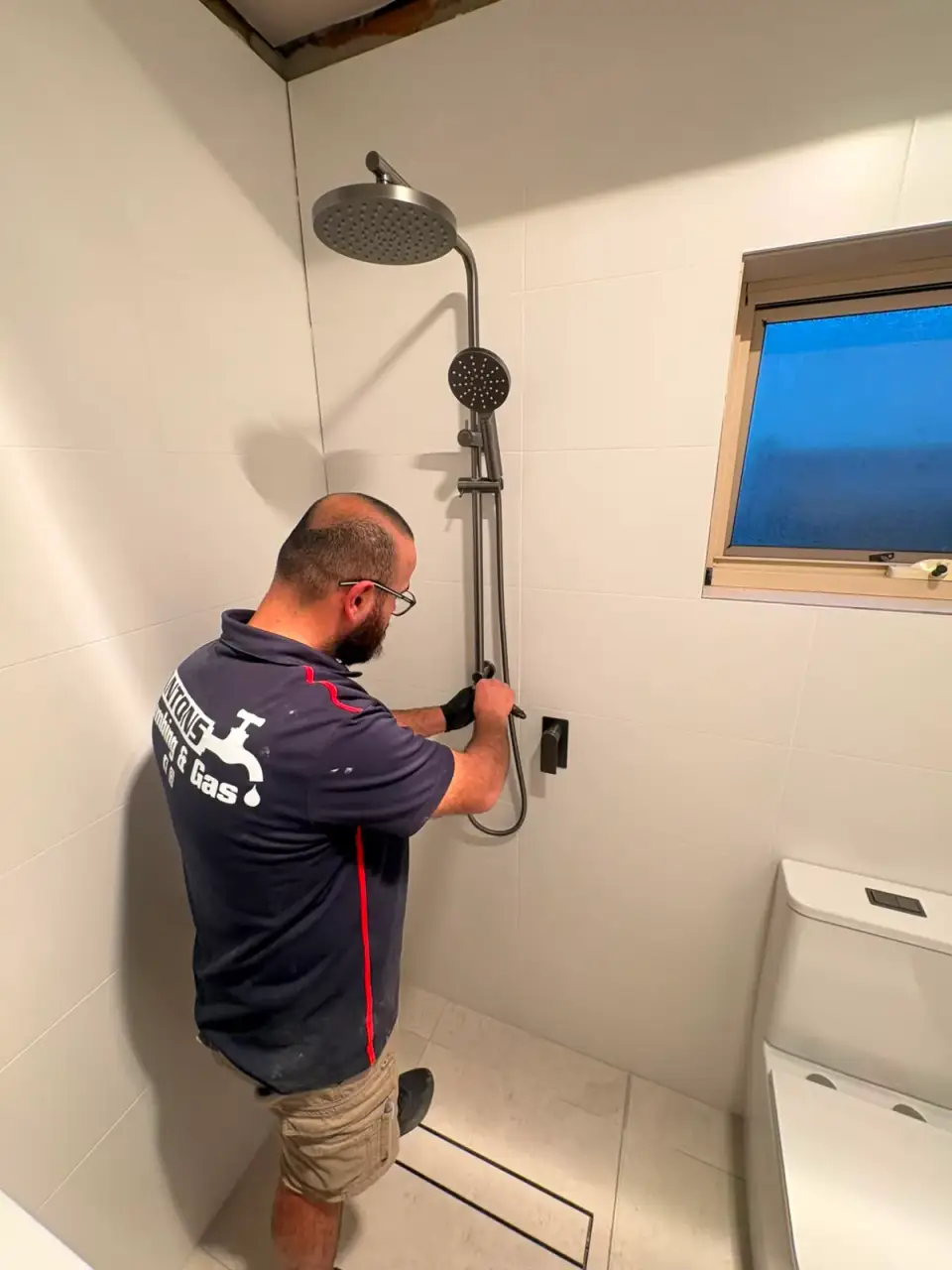
Compare outlets before changing settings
Run the hot tap at the kitchen, bathroom basin and shower briefly, using care to avoid scalding. Note which are lukewarm and which reach normal temperature. One affected shower points toward a local mixer or shower fitting, while several affected outlets shift attention to the heater, tempering valve or common hot-water pipework. The pattern matters more than a single temperature reading from one tap. Do not dismantle fixtures to make this comparison.
Record when the temperature changes
Say whether the first water is warm then turns cold, whether it never gets hot, or whether it changes when another tap opens. Note when the problem began and whether it followed an outage or recent plumbing work. Storage systems can have recovery periods; continuous-flow units have different controls and flow requirements. A clear timeline lets the plumber test the right operating condition instead of replacing a part based on a vague complaint.
Keep temperature safety in mind
A tempering or mixing valve controls water delivered to certain outlets to reduce scalding risk. It can be part of the explanation for lukewarm water, but bypassing it is not a safe diagnostic shortcut. The Australian Government’s YourHome hot-water guide describes temperature control and professional installation. Tell the plumber if a child or vulnerable person uses the bathroom, and leave adjustment and testing to a qualified person.
Check the heater details from a safe position
Photograph the unit label and note whether it is electric, gas, solar or heat pump. If a screen shows a fault code, record it rather than repeatedly resetting the unit. Look for obvious water around the base, unusual noise or discharge, without removing covers or touching wiring or gas parts. A leak or electrical concern changes the priority of the visit. The model and age help the plumber assess parts availability and repair value.
Ask for a staged diagnosis
A useful visit checks the complaint at more than one outlet, confirms the heater is operating as intended and tests the temperature-control arrangement. Depending on the unit, the plumber may need another appropriately licensed trade for electrical or gas work. Ask what was measured, which component is faulty and whether a repair or replacement is recommended. NSW requires appropriate authorisation for plumbing and gasfitting.
Compare repair and replacement honestly
A valve replacement may solve a specific temperature fault; it will not make an undersized or failing heater fit a growing household. Conversely, a whole new unit may be unnecessary for a local shower mixer problem. Ask for the diagnosis, part cost, access requirements and expected testing after repair. If a replacement is proposed, compare capacity, installation space and running needs before ordering, rather than choosing a model based only on its tank size.
Quick check
Quick check
Is one shower lukewarm, or are all hot taps affected? Record that answer before booking.
Frequently asked questions
Can one shower be lukewarm while the heater is fine?
Yes. A local mixer or cartridge can affect one outlet.
What if every hot tap is lukewarm?
The heater, controls, tempering valve or shared pipework needs assessment.
Should I raise the thermostat?
Do not change unfamiliar settings; safe delivery temperature matters.
Can a tempering valve fail?
Yes, but its condition needs testing before replacement is recommended.
Does a small tank cause lukewarm water?
Capacity can matter when hot water runs out, though a constant lukewarm supply may have another cause.
Should I reset the heater?
Follow the manufacturer’s safe instructions and stop if the fault recurs.
Does the time of day matter?
Yes. Off-peak or programmed systems can recover on a schedule.
What photos help the plumber?
The heater label, visible pipework and any displayed fault code.
Will the heater need replacing?
Only after the fault and condition are assessed; many issues have a narrower repair.
What should the quote separate?
Diagnosis, parts, testing and any replacement option.
Conclusion
The outlet pattern gives the best starting clue. A plumber can test the heater and temperature controls, then recommend the narrowest suitable repair or explain why replacement makes sense.
We’re The Hills District Plumber, operated by Antons Plumbing & Gas. Our Rouse Hill hot-water repair service can help you plan the next step. Call Hills District Plumber with the affected outlets, heater model and timing of the fault.